

Modernisation of RER D: Successful Commissioning of the New Interlocking Systems at Gare de Lyon Underground
A major milestone in the transformation of the Lyon underground station interlockings, led by CSEE, SYSTRA, and Eiffage Énergie Systèmes alongside SNCF Réseau
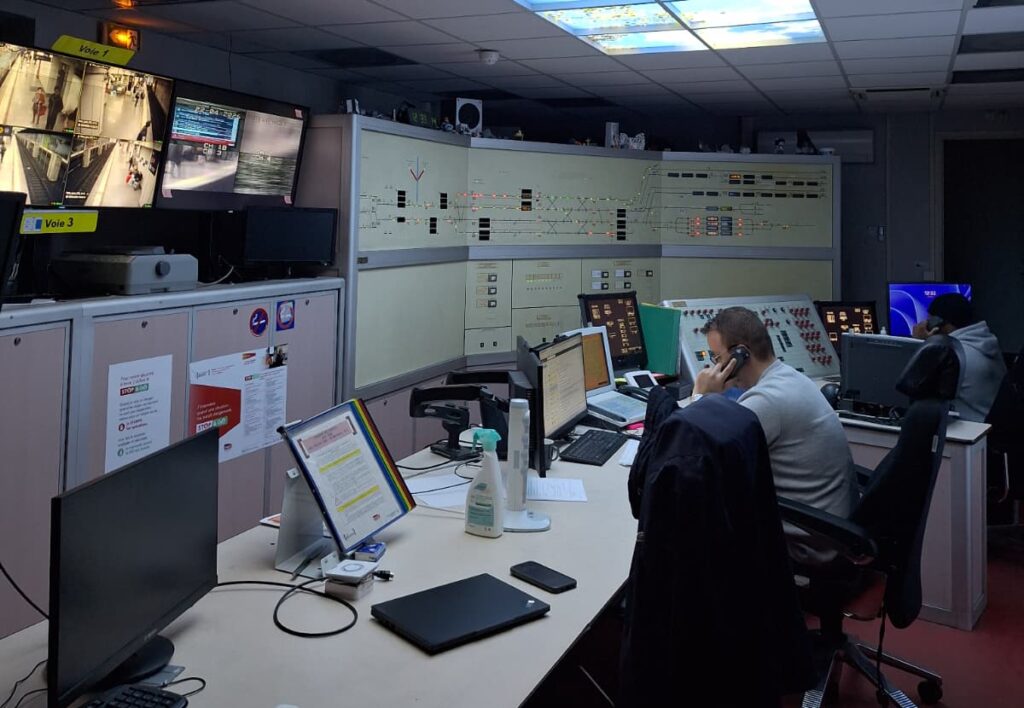
The consortium formed by Compagnie des Signaux (CSEE), SYSTRA and Eiffage Énergie Systèmes is proud to have delivered, alongside SNCF Réseau teams, a turnkey railway project as part of the modernisation of RER D. This major operation enabled the switchover of the interlocking systems at Gare de Lyon underground, a strategic site at the heart of the Paris region railway network.
Engaged for over four years, this exceptional project concluded with a successful commissioning carried out from May 1 to 3, following more than 60 hours of collective effort, bringing together over 500 people during the final switchover operations.
A key milestone in the modernisation of RER D
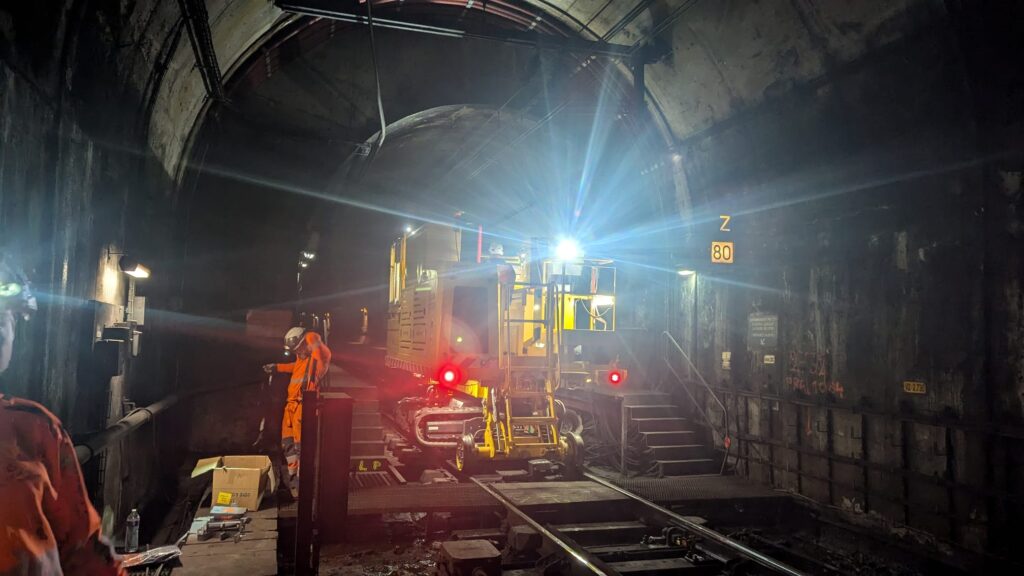
The switchover of the Gare de Lyon underground interlocking systems represents a key step in the modernization of the RER D, one of the busiest lines on the SNCF network. This operation is part of the overall strategy led by SNCF Réseau aimed at enhancing the performance, safety, and reliability of rail operations in the Île-de-France region. It also constitutes an essential component of the NExTEO program, relying on the replacement of historical relay-based interlocking systems with next-generation digital interlockings
The commissioning was based on rigorous preparation, including:
- detailed design phases,
- work carried out in a constrained environment,
- system tests conducted over several months,
- and planned switchover operations with a high level of operational rigor.
A turnkey railway project delivered alongside SNCF Réseau
Carried out in close cooperation with SNCF Réseau teams, this project demonstrates the ability of the CSEE, SYSTRA and Eiffage Énergie Systèmes consortium to design and deliver turnkey railway signalling projects, from engineering and studies through to entry into service.
Continuous coordination between partners ensured commissioning that fully met the safety, reliability and availability requirements of the railway system.
A collective success driven by project teams
“We welcome the relevance of the ‘turnkey’ contractual model initiated by SNCF Réseau. As leader of the consortium, we fostered an innovative approach built around a unified project team. This highly integrated model generated strong performance while giving real meaning to the work of teams who were deeply committed to this project,”
states Gilles Pascault, CEO of Compagnie des Signaux, member of the MERMEC Group.
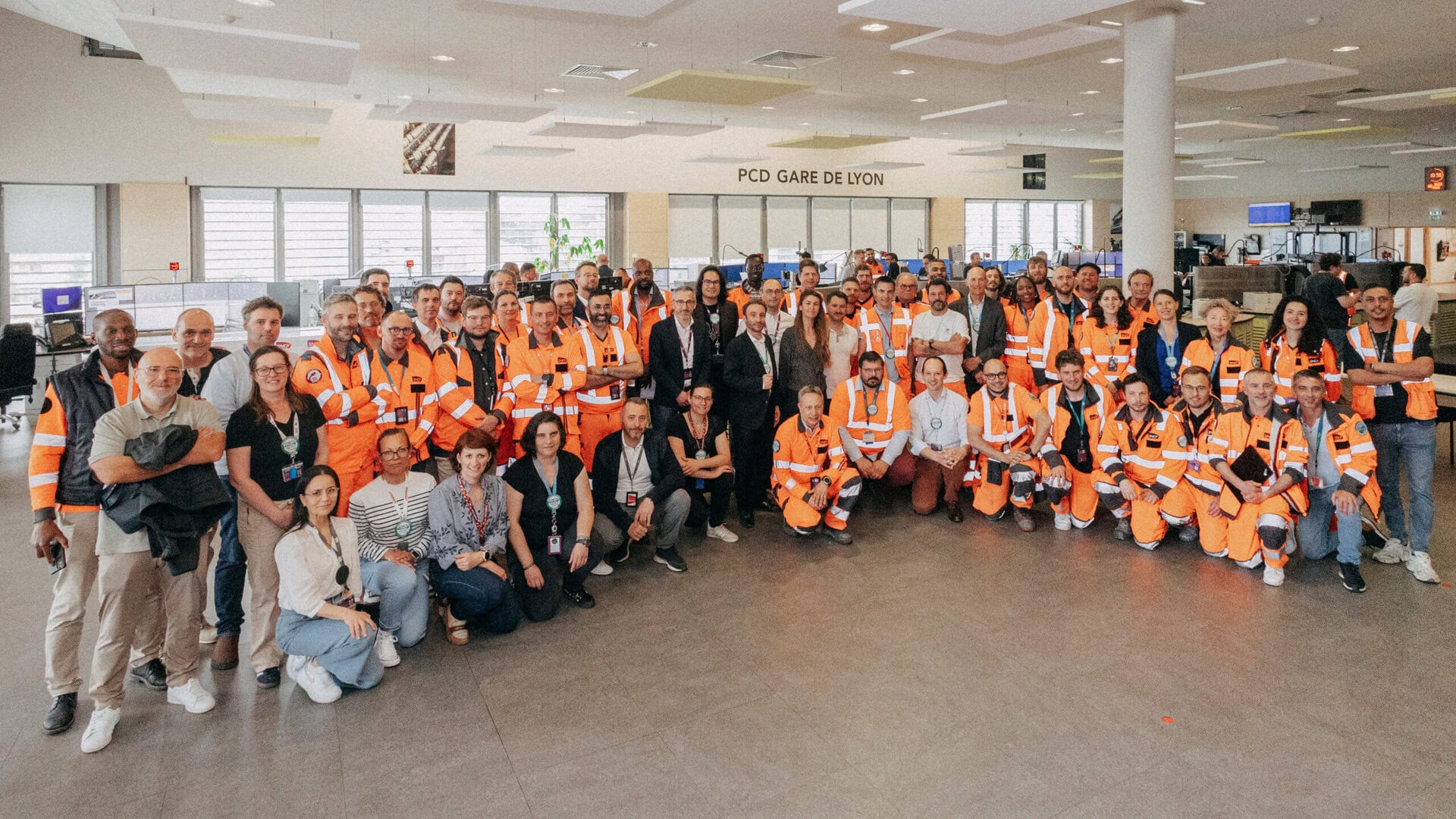
This success is above all the result of the dedication of the women and men involved throughout the project. Engineers, signalling specialists, technicians and field teams worked together to meet the technical and operational challenges inherent to such a strategic site as Gare de Lyon underground.
The consortium warmly acknowledges the professionalism and commitment of all teams, as well as the quality of cooperation with SNCF Réseau at every stage of the project.
“Carrying out this regeneration safely over the four years of works without disrupting traffic flow requires flawless technical coordination and seamless continuity between theory, execution and commissioning. Our mission covered the entire project lifecycle. By being involved from the very early design stages right through to the final safety tests and commissioning, we ensured the optimal integration of all systems. This holistic approach is essential to securing the complex functionalities of Gare de Lyon underground and to calmly preparing for the arrival of the NExTEO system,” explains Éric de Balincourt, President of SYSTRA France.
A long-term commitment to the Île-de-France network
Through this project, Compagnie des Signaux, SYSTRA and Eiffage Énergie Systèmes reaffirm their commitment alongside SNCF Réseau to the sustainable modernisation of the railway network, particularly in dense urban areas.
This commissioning forms part of a long-term drive to improve infrastructure reliability, service regularity and the overall quality of service provided to RER D passengers, strengthening the performance and resilience of the railway system for both operations and users.
Press review:
Chantiers de France: A major points-switching operation at Gare de Lyon
Le Moniteur: Paris: modernisation works at Gare de Lyon
Le rail: RER D modernisation: migration of signalling control systems at Gare de Lyon
Infra360: SNCF Réseau schedules signalling upgrades at Paris Gare de Lyon over the May Day weekend
The RER D Gare de Lyon is being modernised